Cabinet Refinishing

Trending Cabinet Finishes – Matte Gloss and Everything in Between

Cabinet Refinishing Modesto

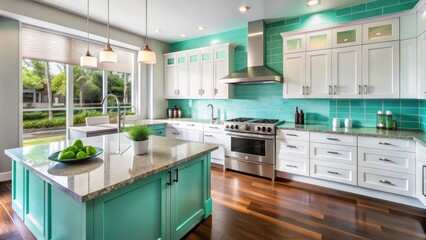
In today’s kitchen, cabinet finishing is more than just a design element. It’s a crucial factor in defining the aesthetic, functionality, and atmosphere of the space.

Warm metallic tones like brushed gold and brass are experiencing a significant resurgence in popularity, complementing both light and dark cabinet colors. These finishes add a timeless elegance to the kitchen. They also hide fingerprints and smudges better than glossy surfaces, making them a practical choice for high-traffic areas. Contact Cabinet Refinishing Modesto for more information.

Matte Gloss

Unlike glossy surfaces that reflect light, matte surfaces scatter it. Whether on paper, canvas or HD aluminum mediums, this subdued sheen adds a touch of class to prints while reducing glare in brightly lit displays. It’s also an ideal choice for works of art with subtle saturation and broad tonal ranges, such as black-and-white or fine-art photography.

Matte finishes are redefining kitchen design in 2025, blending self-expression and customization with comforting familiarity to create a space that’s truly home. In place of the ornate carvings, corbels and thick moldings of yesterday, this modern cabinet color trend offers a clean, European-inspired aesthetic that blends seamlessly into open-concept homes with a strong visual connection between the kitchen and living areas.

The enduring popularity of matte cabinet paint comes from its ability to offer a rich, sophisticated look with minimal surface markings and wear-and-tear. This smooth, non-reflective finish hides fingerprints and smudges well, making it an excellent option for high-traffic kitchens where durability matters most.

For those who prefer a bit more shine, satin-finish paint is available to deliver a soft pearlescent glow. While it doesn’t provide as much resistance to moisture and scrubbing as matte, its slightly glossier sheen helps mask marks, so it’s still an excellent choice for high-traffic spaces like hallways, children’s rooms, and kitchens that need extra resilience against smudges and spills.

Almost every product-based business utilizes a matte coating to enhance the aesthetic appeal and improve the tactile experience of printed packaging. This muted sheen delivers a luxurious, premium feel to the materials, while its non-reflective properties make text more easily readable on the material’s surface. The process for creating matte coating is simple: a liquid is applied and cured with UV light to create a dull, flat appearance.

Matte White

Matte white paint has a slightly creamy finish and doesn’t reflect light, which creates a sophisticated look. It also doesn’t show smudges or fingerprints as easily as glossy finishes, making it an excellent choice for high-traffic areas that require frequent cleaning like hallways and entryways. This finish can also add warmth and richness to formal dining rooms.

When it comes to printing, matte and gloss are the two core finishes extensively used in the industry. Each has its own strengths, drawbacks and ideal use cases to help you select the best option for your products.

Matte finishes are not only more cost-effective than lamination, they’re also a great way to preserve a print and add a velvety feel to the material. The matte coating helps prevent fading over time, which is especially important for color-rich prints. The matte coating on the substrate also gives the material a silky, soft touch, which can enhance the tactile experience of your products and boost their brand value.

Glossy paper and aluminum prints feature a smooth, high-sheen surface that attracts the eye and provides an attractive glow. They’re ideal for displaying treasured memories and artworks to highlight the image and make it more visually compelling. The surface’s special coating also protects the print and helps it resist scratches, stains and moisture.

While matte and glossy finishes are polarizing, many homeowners use a combination of these options in their homes. For instance, matte finishes are popular for ceilings and main walls while satin is better suited to doors, trim and accent walls that will be frequently touched or scuffed.

Another important thing to keep in mind is that the sheen of a matte finish depends on the surface’s texture. Rough surfaces like sandpaper or linen have a dull appearance while smooth surfaces (like glossy paint) have a shiny appearance. This is because atoms on rough surfaces are spaced farther apart than they are on smooth surfaces, which allows the particles to scatter and absorb light more effectively.

Matte Neutrals

As the popularity of natural wood continues to rise, homeowners are re-embracing rustic kitchen cabinet finishes that offer a touch of natural charm. These organic accents create a harmonious visual tapestry that adds intrigue to their home’s design.

In addition to bringing a cozy feel to the kitchen, wood tones are versatile in their ability to work with various cabinet colors and textures. For example, black lower cabinets paired with white uppers provide high contrast that’s visually engaging. But the use of light stains and textured surfaces softens this bold combination, creating a more balanced look that’s suitable for any room.

Homeowners are also re-embracing matte neutrals as an alternative to glossy options for their image-based creations, such as giclee prints and canvas art. With their subdued aesthetic, these prints highlight intricate details and rich hues that shine through without the distraction of glare or sheen. Additionally, matte prints are often more resistant to fingerprints and scratches than glossy choices, making them ideal for high-traffic areas like kitchens.

Matte paper, canvas, and aluminum mediums typically have a subtle texture that adds a tactile appeal to print designs. The lack of a thick coating also means that matte substrates tend to dry faster than gloss choices, which can help reduce the chance of smudging or marking in busy environments.

The 2025 trend for earthy tones is a reflection of people’s growing desire to connect with the natural world. These nature-inspired shades evoke a sense of calm and balance, encouraging people to take a break from their technology-driven lives. Additionally, these earthy tones can work well in open-plan kitchens that carry their cabinets into dining or living spaces to help them feel more connected to the space.

In this color family, you’ll find mushroom and taupe tones that feel grounded and refined, as well as the new generation of khaki hues with a rich, balanced warmth. Deep navy blues and inky midnight blues add a tailored sense of confidence to kitchens. These dark tones work especially well when paired with lighter uppers for a classic English pantry look or in rooms that have ample natural light to ground the palette.

Two-Tone

When it comes to creating a two-tone design, homeowners have a variety of color combinations and styles to choose from. The key is to choose colors that complement each other and will still look fresh in years to come. Trendy color pairings may be appealing now, but they can quickly date your kitchen design.

One of the most popular trends is to pair a dark wood tone with a lighter shade of paint or solid surface. This creates a rich, bold design that can add drama to any space. Our Impression Series offers a variety of wood texture finishes that can be paired with either our full overlay frameless Lucca or frameless Bella cabinet styles to create an interesting two-tone design.

Another popular choice is to create a classic white shaker kitchen with a darker lower cabinet or Island. This creates a timeless design that will never go out of style. Our Shaker cabinet line has six different color options to choose from that will provide a wide range of choices for homeowners.

When choosing a two-tone design, it’s important to consider other kitchen elements like countertops, backsplashes and flooring. The cabinets should compliment the surrounding surfaces to ensure a cohesive and thoughtfully designed space. Two-tone cabinets can also be a great way to tie in your design with other home furnishings and accessories, like bar stools or light fixtures. Keep in mind that if you decide to use a two-tone design, it’s best to stick with neutral colors over bold hues to increase resale value.

Cabinet Refinishing

DIY Cabinet Painting vs Hiring Professionals

Cabinet Painting Sacramento

Cabinet Painting Sacramento is one of the most cost-effective ways to transform a room. Whether you’re looking to add contrast for a dynamic design or simply give your space a fresh, updated look, it can make all the difference!

However, there’s a lot that goes into achieving a truly flawless finish. From surface preparation to ensuring paint adhesion, there are several factors that can impact DIY results.

Cost

Painting cabinets is one of the most cost-effective ways to refresh the look of a room. It also offers the opportunity to change up a design scheme, whether it is brightening a dark kitchen or adding contrast for a more dynamic space. However, before you get started, it’s important to consider the labor and material costs associated with this project. In addition, the type of paint used plays a major role in overall cabinet painting costs. High-quality paints offer better durability and a smooth, professional finish, but they also come at a premium price.

The number of coats required for proper coverage and the complexity of the application process are other factors that influence cabinet painting costs. Choosing a custom or specialized color may require extra coats and a more extensive surface preparation, which increases labor and materials costs. Similarly, using a glossy paint will result in higher costs than a matte or satin option.

Proper prep work is essential to a successful and long-lasting result, but it can add significantly to the project duration and cost. These steps include cleaning and degreasing surfaces, sanding, repairing any dents or damage, and masking off countertops, appliances, and floors. In addition, if the cabinets require any repairs or hardware is replaced, these tasks will increase the overall project cost.

In addition to the time and expense of the project, there is the potential for costly mistakes that can occur if you attempt to do the job yourself. These issues could range from chipping or peeling to unprofessional-looking texture. In some cases, these errors may even require the removal of the cabinet doors and drawer fronts for further repairs or repainting.

Hiring professionals may seem like an expensive option, but they can save you money in the long run. They have a deep understanding of the painting process and have honed their skills over years of experience. In addition, they have access to the best tools and materials, which can help ensure a flawless result that will last for years to come. Moreover, they can identify any issues that could impact the quality of the finished product and address them before they become a problem.

Time

Many homeowners feel that cabinet painting is a simple project they can take on themselves to save money. While it may seem like a great weekend project, there is a lot that goes into achieving that factory-like finish. There are several factors to consider, including preparation, paint application, and drying time. These factors can significantly impact the time required to complete the project.

DIYers typically spend a significant amount of time preparing the cabinets for painting, which can be very time-consuming. This includes cleaning and sanding the cabinets, taping off areas that are not getting painted, and laying down protective materials to avoid mess and spills. Additionally, there is a lot of trial and error that comes with trying to find the ideal technique for applying the paint.

Once the cabinet surfaces are ready for paint, it can take a few hours to apply a single coat. This process can be even more time-consuming if you are using a premium finish, which requires multiple coats and extra drying time. Finally, it is important to allow the cabinets to dry completely between each coat of paint. This can add a few days to the overall project.

The amount of time needed for the entire cabinet painting process depends on a variety of factors, including the size of the kitchen and the desired finished look. In general, it can take 3-5 days for a small kitchen to be painted, while larger kitchens can require up to 10 days. Professional painters can often complete the job in less time, saving you valuable time and energy.

Unlike DIYers, professional painters have years of experience and high-quality materials to create an impressive result. They also know how to properly prep and prime the cabinets so the paint adheres to them for a long-lasting, professional-looking finish. Additionally, professional painters use industrial-grade sprayers for a smooth and consistent texture that is impossible to achieve with a brush or roller.

DIYers may be tempted to skip the primer step and go straight to the paint, but this can lead to poor results. Primer is essential for a smooth finish and covering up any imperfections, such as scratches or dents. It is also necessary for protecting the wood and preventing moisture from damaging it.

Mess

Painting cabinets is a great way to give your home a fresh new look without spending a lot of money. However, the process can be very messy and requires a high level of skill to achieve a flawless finish. Moreover, DIY cabinet painting can be time-consuming and expensive if you make mistakes along the way.

A professional cabinet painter has years of experience and a wide range of tools to help them complete the job quickly and efficiently. They also know how to prep the surfaces for a smooth, factory-like finish that lasts. In addition, they use industrial-grade sprayers to ensure a seamless, even coat of paint. Moreover, they can help you choose the best color and finish for your cabinets, ensuring that they will look stunning in your home.

Whether you’re trying to save money or just love to work with your hands, DIY projects are a great way to get creative and add a personal touch to your home. But DIY cabinet painting can be messy and difficult, especially if you’re not prepared for the mess. Paint can drip and splatter on unintended areas, such as countertops, floors, or walls. This can be frustrating and time-consuming to clean up.

Moreover, it’s easy to make mistakes during the cabinet painting process, which can lead to uneven and inconsistent results. This can detract from the aesthetic of your home and may not be ideal if you plan to sell it in the future. In addition, DIY cabinet painting can be overwhelming for those who don’t have a lot of experience or skills with power tools. However, if you’re willing to take on the challenge, you can transform your kitchen with a little bit of patience and attention to detail. In addition, you’ll learn a new skill that can come in handy in the future.

Safety

Those glossy photos on Pinterest can be so tempting, but painting cabinets requires skill and experience to achieve quality results. Without a professional, DIY mistakes can detract from the aesthetic and possibly even decrease your home’s value. For example, drips, visible brush strokes, and incompatible finishes are common mistakes that can be costly to fix or leave you with a result that is unattractive and not durable.

DIYers also often underestimate the prep work required to ensure a lasting finish. Proper sanding, taping, and cleaning are all important steps that must be taken with precision to prevent chipping or peeling in the future. Additionally, professionals use industrial-grade sprayers that deliver a silky-smooth, factory-like finish that is durable and will hold up well against everyday wear and tear.

A professional’s experience also allows them to recommend and apply the correct primers for different wood types, moisture levels, and other environmental factors. This helps them to achieve a long-lasting finish that can stand up to daily wear and tear better than a DIY product.

In addition to providing expertise on materials and techniques, cabinet painters have a keen eye for detail that can help them avoid mistakes and mishaps. This prevents the need for time-consuming rework, and can ultimately save you money in the long run.

In addition to the financial concerns of wasting expensive supplies, DIY projects can create safety and health risks for homeowners. Especially when working with solvents or other toxic chemicals, it is important to follow proper ventilation and protective equipment practices to reduce exposure to hazardous fumes that can cause a range of problems from headaches to more severe respiratory issues. Additionally, the risk of injury is elevated when a project involves ladders, scaffolding, or other multi-story access. Professionals have liability insurance and workers’ compensation that can protect homeowners against property damage and accidents that can occur on a job site.